


Fashion Designer is a career that blends creativity technical knowledge and business understanding. Fashion designers create clothing footwear accessories and other wearable products that reflect personal style cultural influences and changing consumer preferences. Their work shapes trends while meeting the practical needs of people around the world.
Becoming a successful fashion designer requires more than artistic talent. It involves learning design principles understanding fabrics developing technical skills and staying informed about market trends. Whether you dream of launching your own fashion brand or working for an established company understanding the role of a Fashion Designer is the first step toward building a rewarding career.
What Does a Fashion Designer Do?
A Fashion Designer creates original clothing and accessories from the initial concept to the finished product.
The design process often begins with research inspiration and sketching ideas. Designers then choose fabrics colors patterns and construction methods that match their creative vision.
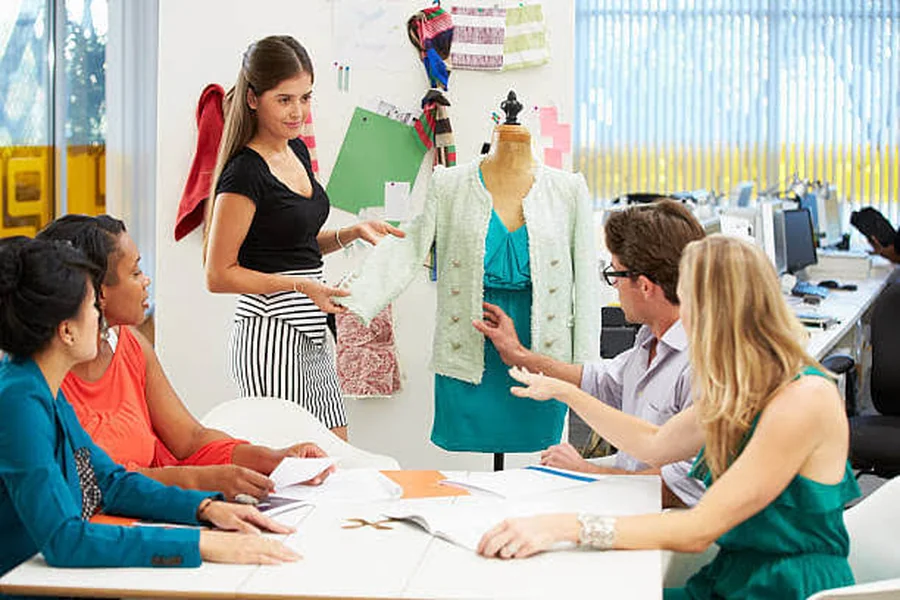
Many designers also work closely with pattern makers manufacturers marketers and retailers to ensure products meet quality standards and customer expectations.
Their responsibilities may include creating seasonal collections reviewing samples making design adjustments and presenting new products to buyers or fashion brands.
Successful designers balance creativity with practicality and commercial appeal.
Skills Every Fashion Designer Needs
Fashion design requires a combination of artistic and technical abilities.
Creativity allows designers to develop original ideas Theboringmagazine com while drawing skills help communicate design concepts clearly.
Knowledge of fabrics garment construction sewing techniques and textile properties is essential for creating wearable designs.
Strong communication skills support collaboration with production teams clients suppliers and marketing professionals.
Time management organization and problem solving also play important roles because designers often work under deadlines while managing multiple projects.
A willingness to learn continuously helps designers adapt to changing fashion trends and customer preferences.
Education and Training
Many Fashion Designers begin by studying fashion design textiles merchandising or related creative subjects.
Formal education provides valuable knowledge about garment construction fashion history illustration pattern making and computer aided design software.
Internships offer practical experience by allowing students to work alongside experienced professionals in fashion companies.
Some successful designers are self taught but they often build strong portfolios through personal projects freelance work and continuous practice.
Regardless of educational background developing practical experience remains one of the most valuable parts of career preparation.
Career Opportunities for Fashion Designers
Fashion Designers can work in many different areas of the industry.
Some join clothing companies where they create collections for established brands.
Others specialize in bridal wear sportswear children’s clothing luxury fashion sustainable fashion footwear or accessories.
Freelance designers may work directly with clients creating custom garments for special occasions.
Some professionals launch their own fashion labels while managing design production marketing and business operations independently.
Digital technology has also created opportunities in online fashion retail and virtual design.
The industry offers diverse career paths for creative professionals.
Tips for Becoming a Successful Fashion Designer
Building a strong portfolio is one of the most important steps toward success.
Include sketches finished garments technical drawings and photographs that demonstrate your creativity and technical ability.
Study successful designers but develop your own unique design identity rather than copying existing styles.
Stay informed about fashion trends consumer preferences sustainability and new textile technologies.
Networking with industry professionals attending fashion events and gaining practical experience help expand career opportunities.
Patience persistence and continuous improvement are essential because success usually develops over time.
Challenges in the Fashion Industry
Fashion design is an exciting career but it also presents challenges.
Competition is strong and designers must constantly create fresh ideas that appeal to customers.
Production deadlines changing trends material costs and consumer expectations require flexibility and careful planning.
Balancing artistic creativity with commercial success can also be difficult because beautiful designs must meet market demand.
Sustainable fashion has become increasingly important encouraging designers to consider environmental responsibility throughout the design process.
Those who remain adaptable and committed to learning often build lasting careers.
Final Thought
Fashion Designer is a career that combines imagination craftsmanship and business awareness. Designers influence how people express themselves while creating clothing that reflects culture creativity and personal identity. Success requires dedication technical knowledge continuous learning and a passion for design.
Whether you hope to work for a global fashion brand or create your own collection every successful journey begins with developing strong skills building practical experience and creating original designs. With persistence and creativity a Fashion Designer can build a rewarding career in one of the world’s most dynamic industries.
FAQs About Fashion Designer
What does a Fashion Designer do?
A Fashion Designer creates clothing footwear accessories and fashion collections from concept through production.
What skills are important for a Fashion Designer?
Creativity drawing garment construction fabric knowledge communication organization and problem solving are essential skills.
Do I need a degree to become a Fashion Designer?
A degree can be helpful but practical experience a strong portfolio and technical skills are also highly valuable.
Can Fashion Designers start their own brands?
Yes. Many designers launch independent fashion labels after gaining experience and building industry knowledge.
What software do Fashion Designers use?
Many designers use computer aided design software for sketches technical drawings pattern development and product planning.
Is fashion design a competitive career?
Yes. The industry is highly competitive but talented designers with strong portfolios and unique ideas can build successful careers.
What industries hire Fashion Designers?
Fashion designers work in clothing companies luxury brands sportswear accessory design costume production retail and freelance businesses.
How can I improve my chances of success?
Practice regularly build a professional portfolio stay updated on industry trends gain practical experience and continue learning throughout your career.
